Set Up Like You Belong There: A Bomb Burger Pop-Up Guide for Festivals, Fields, and Farmers Markets
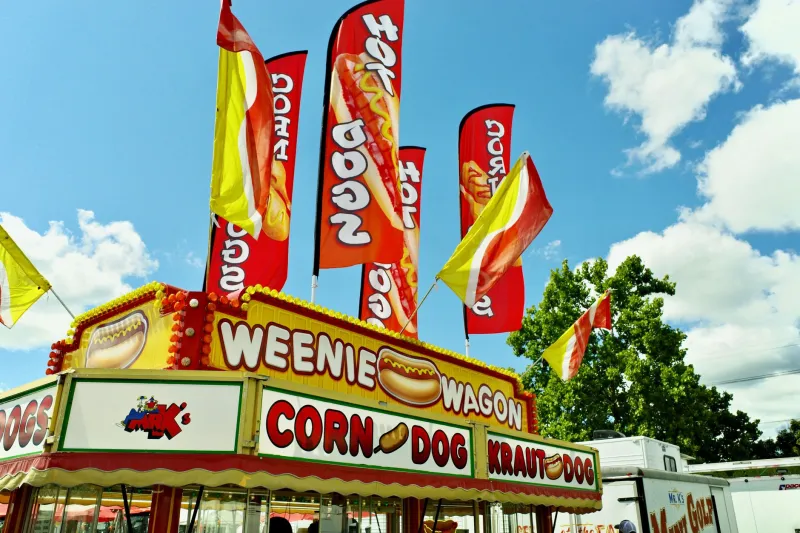
A new Bomb Burger dining room has a way of announcing itself. The sign goes up, the doors open, and the neighborhood decides whether to wander in. A pop-up works differently. You are the guest. The crowd is already there for the festival, the farmers market, or the Saturday youth soccer tournament. Your job is not to outshout the event. Your job is to show up like a business that belongs on that block.
That distinction matters for franchisees. A portable setup can build a mailing list, introduce the menu, and put your crew in front of people who might never drive past your strip center. It can also make you look like a generic vendor with a burger warmer and a folding table. The difference is in the preparation.
Start With the Event, Not the Menu
Before you price a single slider, read the event like a site plan. Who attends? When is the rush? Where is the booth traffic actually going to flow? A farmers market at 9 a.m. is a different animal from a Friday-night festival or a weekend tournament where parents are hunting for lunch between games.
Call the organizer early and ask the unglamorous questions. Is there a vendor handbook? Are electrical hookups available, or should you plan for propane and coolers? Where is the nearest water source? What time can you drive in, and what time will the lot be locked down? Is there a rain date, and does the vendor fee transfer?
Then visit the site if you can. A booth that faces the port-a-potties is not the same as one on the main walking path. If the event runs in a park, check the ground. Pavers are friendly. Sloped grass after a rainstorm is not.
The Paperwork Has a Personality
Temporary food permits are local by design. In the U.S., that means the health department, city clerk, fire marshal, or all three may have a say depending on where the event is held. Do not assume the organizer's vendor packet covers you. It may collect a fee and still leave you responsible for the health permit, handwashing setup, food temperatures, and fire extinguisher rules.
Build a paper folder and a digital folder. Keep your business license, insurance certificate, food handler cards, menu, and commissary or base-of-operation information in both. Ask the health department what they want to see for a temporary food facility: a handwashing station, covered food, proper cold holding, sanitizer buckets, and a plan for waste. Those are not glamorous details, but they are the details that let you stay open past the first hour.
One more habit: write down what you learned. Every city has its own rhythm. The franchisee who keeps a simple permit tracker saves the next Bomb Burger operator a week of phone tag.
A Portable Menu That Still Tastes Like Bomb Burger
A pop-up menu should be shorter than your dining room menu, but it should not feel like a compromise. Pick two or three burgers that travel well and represent the brand. A classic smash-style burger, a chicken option, and one rotating local special are usually enough. Add a simple side and a drink. If the event runs long and hot, skip anything that depends on a fragile garnish or a perfect plating moment.
Build the booth around speed and consistency. Pre-portion toppings in labeled containers. Use a small flat-top or grill that fits your power setup. Keep cold items in a well-managed cooler with a thermometer, not a hopeful guess. Have a clear pickup spot and a menu board that reads from ten feet away.
Local flavor can show up without turning the booth into a craft fair. Use a local bakery bun if the logistics work. Feature a neighborhood sauce. Name the special after the event, not after a corporate slogan. The point is to feel like Bomb Burger dropped into the community for the day, not like a traveling concession stand that happens to sell burgers.
Staff the Booth Like a Dining Room
The booth is a small restaurant with worse weather. Put your most outgoing crew member on the front edge, not the quietest one. That person greets, answers menu questions, and watches the line for confusion. Behind them, keep one person on food and one on cashier or order handoff. If you can spare a fourth, make that person your runner: restock, wipe, and keep an eye on supplies.
Train the team on three sentences. What Bomb Burger is. What the event special is. Where the restaurant is. That last one matters more than it sounds. A pop-up without a clear address and a reason to visit the dining room is just a busy day in a tent.
Give the crew breaks, water, and shade. A tired booth crew gets sloppy, and sloppy food safety is not a brand-building moment. Bring more napkins than you think you need, a trash plan, and a way to wash hands that does not involve a bottle of hand sanitizer and wishful thinking.
Measure Regulars, Not Just Receipts
A pop-up can look successful and still be a dud. High sales are good, but the real question is whether the booth turned strangers into people who know where your restaurant is. Count a few things beyond revenue: menu cards handed out, sign-ups for a local email list, coupon redemptions, and the number of people who mention the event when they visit the dining room later.
Use a simple QR code or paper card that says where the restaurant is and what is on the menu. Keep the offer modest. A free drink with a first dining-room visit is easier to track than a vague promise of good vibes. Ask your cashier to note the two most common questions. Those questions tell you what the neighborhood does not know about Bomb Burger yet.
After the event, debrief for ten minutes with the crew. What sold out? What did people ask for? What broke? What would you leave at home next time? Write it down while the details are fresh.
Leave the Lot Better Than You Found It
Pack out your trash. Wipe down the table. Thank the organizer by name. Hand out a few cards to the neighboring vendors, because they are neighbors too. The pop-up ends when the tent comes down, but the impression lingers.
A Bomb Burger booth should feel like a preview of the dining room: big flavor, local roots, and a crew that seems glad to be there. Do the permit work, keep the menu tight, staff it with people who like people, and measure the things that lead back to your front door. That is how a folding table becomes a footprint.