The First Bite Is a Lesson: Building Bomb Burger Training Around the Pre-Shift Crew Meal
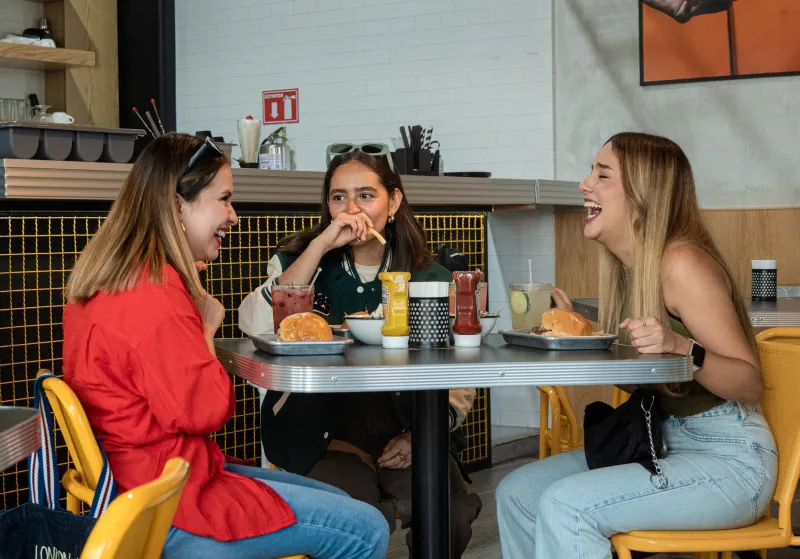
At Bomb Burger, the shift meal is easy to treat as a perk and nothing more. Someone grabs a burger, the crew eats standing up, and the doors open. But franchisees who want a sharper team can turn that same plate into one of the most useful training moments of the day. It costs less than a formal session, it happens when the crew is already together, and it puts the menu where it belongs: in their hands, not on a laminated sheet in the office.
Start With a Plate, Not a Packet
The goal is not a long meeting. It is a ten-minute ritual before opening or before a busy shift change. One menu item gets the spotlight. One local ingredient gets a short story. One hospitality behavior gets practiced out loud. The crew tastes together, talks together, and then goes to work with the same reference point.
Keep the portion small. A shared cut of a burger, a spoonful of a side, or a sample of a special is enough. The point is recognition, not a second lunch. At the franchise level, that keeps food cost predictable and makes the habit easier to repeat. A simple log on the prep sheet can track what was tasted, who led the conversation, and what question came up most often.
A Five-Day Tasting Rotation That Does Not Burn Out the Kitchen
A rotation works better than a random sampler. Monday can focus on a core burger: what is on it, how it is built, and what makes it different from the burger down the street. Tuesday can cover a side or sauce, especially one that guests ask about. Wednesday can spotlight a local ingredient and the supplier behind it. Thursday can be the current special, since rotating items need extra repetition. Friday can be a guest scenario: a first-timer, a family with kids, someone avoiding a certain ingredient, or a regular who wants a recommendation.
Rotate the person leading the tasting. A line cook might explain how the patty is seasoned. A front-counter team member might practice the one-sentence recommendation. A shift lead might model how to handle a question about allergens without guessing. That rotation builds ownership and gives the crew practice speaking about the menu in plain language.
Teach the Story, Then the Sentence
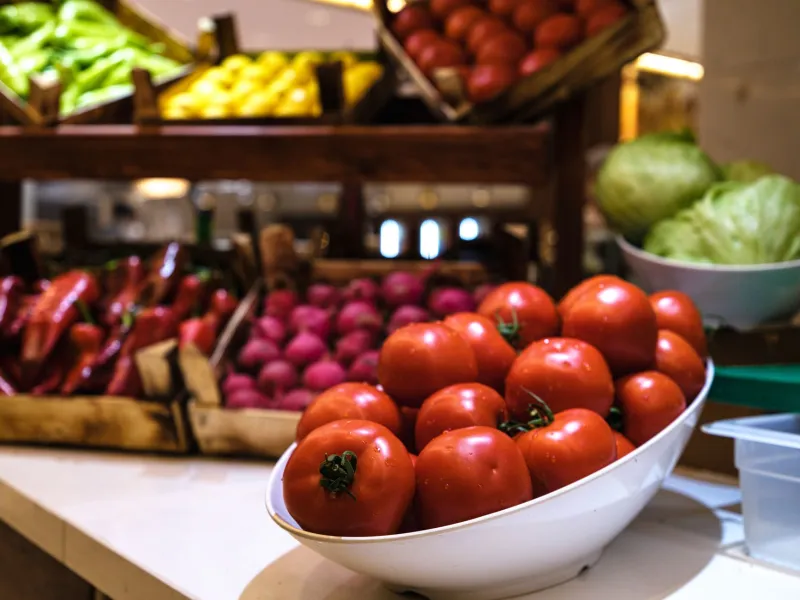
Menu knowledge sticks when it connects to something real. If a Bomb Burger location sources produce from a nearby farm, the crew should know the farm name, what it grows, and when it shows up on the menu. They do not need a speech. They need a sentence they can use at the counter: Try it with the local slaw, or The special this week uses tomatoes from a farm about twenty minutes away.
That is where ticket confidence starts. A crew member who can make one specific, honest recommendation is more useful than one who can recite every ingredient but sounds unsure. During the pre-shift tasting, ask each person for two words about the item and one pairing idea. The manager can note which recommendations get repeated during service. If the same suggestion shows up at the register, the training is working.
Put Hospitality on the Plate
The shift meal is also a safe place to practice the awkward parts of service. What do you say when a guest asks whether a sauce is spicy? How do you offer a remake without making the guest feel like a problem? How do you recommend a side without turning it into a sales pitch? These are small moments that shape a visit.
Use the crew table for quick role-play. One person plays the guest, one plays the counter worker, and the rest listen for tone. Keep it light. The goal is not scripted perfection. It is familiarity, so the right words are easier to find when the line is long and the dining room is full.
Measure What the Habit Changes
A pre-shift meal is not worth defending if it is only a nice idea. Franchisees should look for a few practical signals. Are new hires recommending menu items sooner? Are crew members staying past the thirty-day mark? Are guests mentioning a specific team member or recommendation in comments? Is the attach rate for sides, sauces, or specials moving in the right direction? Are remake and comp rates lower during the first hours of service?
No single number tells the whole story. Track a few together and review them monthly. A short menu quiz can also help, but keep it conversational. The point is not to grade people in public. The point is to see whether the crew is absorbing the stories and learning to use them naturally.
Make It Franchise-Ready, Not Corporate-Stiff
Bomb Burger does not need a forty-page training manual for this. It needs a simple guardrail: ten minutes, one item, one local story, one hospitality behavior. Franchisees can adapt the rotation to their own market, their own suppliers, and their own busy periods. A store near a college campus may practice late-night recommendations. A store in a family-heavy suburb may focus on kids meals and allergen questions.
The crew eats first in the literal sense. But the deeper benefit is that they learn first, too. A shared plate before the doors open can turn menu training into a habit, and a habit into a team that sounds confident when a guest asks what is good. That is the kind of training that shows up in the dining room, one recommendation at a time.