Your Town Paper Isn't a Billboard: Earning Real Local Ink for Your Bomb Burger

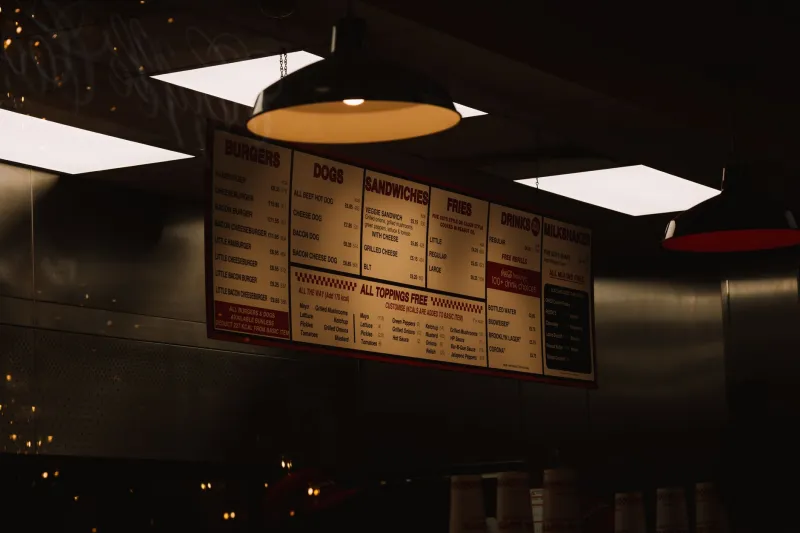
Photo by Photo by Lina Step on Unsplash on Unsplash
The weekly paper sits by the register because somebody still reads it. Not everybody. Not even most people. But enough of the people who coach the middle school soccer team, run the church rummage sale, and decide where the office orders lunch on Friday. That stack is not nostalgia. It is a quiet distribution channel, and most franchisees never touch it.
You do not need a PR agency to get into that paper. You need a phone number, a calendar, and the willingness to be useful. Here is the playbook.
Start With the Person, Not the Pitch
Small-town papers are not newsrooms with a front desk and a publicist line. They are often one editor, one reporter, and a freelancer who covers Friday night football and the school board. That person is drowning in press releases about grand openings and car washes.
So do not send a release. Send a note that says you exist and you are available. Something like: I run the Bomb Burger on Main. I know you cover everything from zoning to the swim team. If you ever need a quote from a small business owner, or a place to sit down and charge your laptop between meetings, I am here.
Then show up. Go to a city council meeting for twenty minutes. Stop by the paper office with a coffee. Not a platter. Not a branded tote. Just a coffee and a thank-you for the coverage they already do. Reporters remember the business owner who treated them like a neighbor instead of a billboard.
Timing Is the Whole Game
Most franchisees pitch local press the week they open. That is exactly when the paper is least interested, because every new business does the same thing and readers are tired of ribbon cuttings by the third week of the month.
Pitch before you open. Invite the reporter to a pre-shift tasting on a Tuesday at three in the afternoon. That is a dead news hour. The reporter is not racing to a fire or a school board meeting. They can sit, eat a burger, and actually talk. You get a story that runs the week you open, not three weeks after.
Avoid Friday afternoons. Avoid the first week of the month if your town has a regular municipal meeting cycle. Avoid the week of the high school homecoming game if you want anything other than sports coverage. And if you are pitching a weekend event, call on a Monday or Tuesday. The paper may be weekly, but the reporter's week still has a front edge.
Five Stories That Are Not Just We Opened
The grand opening is a one-time story. The neighborhood is a forever story. Here are angles that give an editor a reason to call you again.
The pre-shift meal. Every Bomb Burger crew eats together before service. That is not a gimmick. It is training, calibration, and a small daily ritual. Invite a reporter to watch it. The story is not the burger. It is the fact that a new business is investing in teenagers and shift workers before the doors open.
The local sourcing decision. Not a press release about being local. A specific story about one ingredient and one supplier. The bakery that makes the buns. The farm stand that sells you tomatoes in August. The distributor who helped you find a substitute when the first order fell through. Editors love a supply chain story because it explains how a small business actually works.
The first-job pipeline. If you hire high schoolers, tell that story. Not as a feel-good puff piece. As a practical look at what a first job teaches: showing up on time, reading a ticket, handling a rush. The paper will run it because parents read it.
The community fundraiser. A spirit night for the robotics club. A percentage night for the food pantry. Do not pitch the fundraiser as charity. Pitch it as a window into how a franchisee decides where to spend limited community dollars. That is a story about priorities, and readers argue about priorities.
The regulars. Every restaurant has them. The couple who comes in every Wednesday. The nurse who orders the same thing after a night shift. The little league coach who brings the whole team after a win. Ask the reporter to write about the people who make the place feel like it has been there for years. You provide the introductions. They provide the story.
When the Reporter Only Wants a Burger
Sometimes the editor does not want a business story. They want a burger review. They will order the classic, take a photo, and ask you three questions while chewing.
Let them. Do not hover. Do not hand them a fact sheet mid-bite. Do not say the words brand narrative. Give them the burger, give them a clean table, and give them space. When they are done, answer the questions plainly. If they ask what makes it different, talk about the grind and the local bakery, not the franchise system.
Then follow up the next day with three facts they can use: how many people you employ, where the beef comes from, and what time the drive-thru opens. Reporters appreciate a source who makes their job easier after the fun part is over.
Be the Reliable Quote
Community radio hosts and high school sports announcers need people who answer the phone. Not every call is a story. Sometimes it is a last-minute ask for a business owner to comment on a road closure or a school levy or a Friday night game that got moved because of weather.
Say yes when you can. Keep it short. Do not turn a two-minute interview into a commercial. If you become the person who picks up and speaks in complete sentences, you will get called again. That is the whole strategy. Reliability is the media plan.
Track Whether the Ink Fills Tables
You do not need software. You need one question and one notebook.
Ask every new face at the counter: How did you hear about us? Write down the answer. If someone says the paper, make a hash mark. If someone says the radio, make a different mark. Keep the notebook by the register, next to the stack of weeklies.
If you want a cleaner signal, put a QR code on a table tent that says you saw us in the paper. It leads to a simple page with one field: What brought you in? Nothing else. No email capture. No loyalty signup. Just the question.
Compare the week the story runs to the week before. Compare Tuesday lunch to Wednesday lunch. Do not expect a flood. Local press is not a billboard. It is a slow drip of trust. One new family on a Tuesday night is a win. Three new faces who mention the article is a pattern.
The Boring Part That Builds Trust
Local press is a relationship, not a transaction. Return calls. Correct your own mistakes before the reporter has to. Do not ask to approve copy. Send a handwritten thank-you note when a story runs. Keep a list of names and numbers in a notebook, not a CRM.
The weekly paper still sits by the register because it still means something. You do not need a publicist to get in it. You need to be the kind of business owner a reporter is glad to know. That is a franchise development strategy, even if it never shows up on a spreadsheet.