Concession Stand Cred: Backing Boosters Without a Coupon in Sight
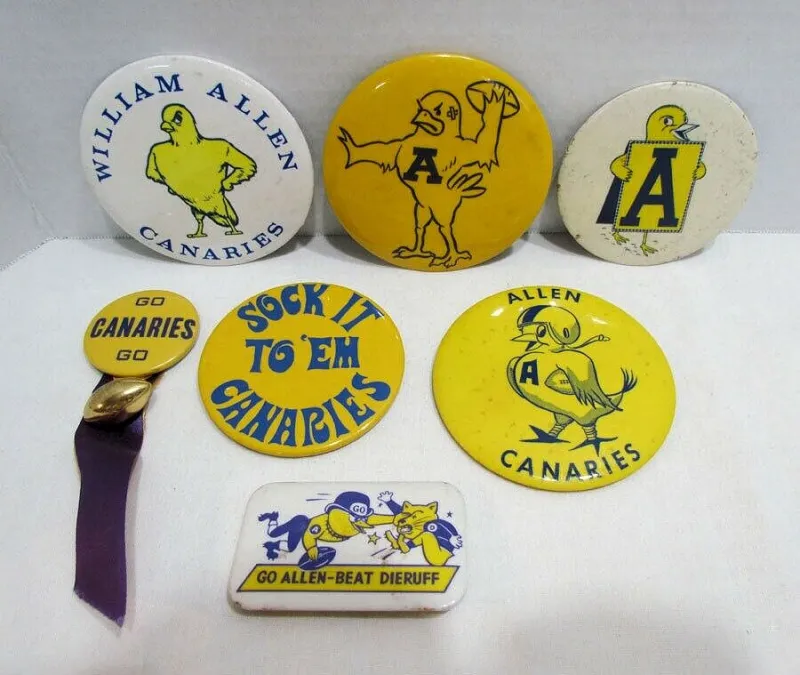
Photo: Self Scanned, Public domain, via Wikimedia Commons
Friday-night community does not start with a coupon. It starts with a parent in a booster club polo asking whether anyone can feed the marching band before the bus leaves, or whether the wrestling team has a place to land after a road match. Bomb Burger franchisees who answer those questions well become part of the hometown stands. Those who answer with a punch-card promotion become another logo on a banner nobody reads.
The difference is rhythm. Booster clubs run on predictable seasons, tight volunteer crews, and a deep suspicion of restaurants that show up once in August and disappear by October. A Bomb Burger operator can build something sturdier: a game-night habit that is easy to staff, clear about money, and small enough to repeat every week without burning out the kitchen.
Start With the Booster Board, Not the Coupon Sheet
Before the first Friday-night crowd arrives, sit down with the booster club treasurer and the league coordinator. Ask what nights are heavy, what the volunteers actually need, and where the gaps are. Maybe it is meals for the concession crew. Maybe it is a place for families after the game. Maybe it is help covering bus fuel for an away playoff run. Those answers are more useful than a generic discount coupon because they tell you where Bomb Burger can be genuinely present.
Transparent giving matters more than clever giving. Pick a clear commitment for the season: a set number of team meals, a fixed sponsorship amount, or a per-game snack pack for volunteers. Put it in writing. Say exactly what Bomb Burger will provide and when. Avoid vague percentage-of-sales promises that leave the booster club guessing and the franchisee quietly hoping for a slow night. A simple one-page letter is enough. The booster board should be able to read it once and know what to expect.
Build a Friday-Night Rhythm That Staff Can Actually Run
Game nights are not random. They follow a schedule. Use that. Set a reliable window, say 5 p.m. to 9 p.m., and build a short game-night menu that the kitchen can execute without turning the line into a traffic jam. A burger basket, a chicken sandwich, a vegetarian option, and a quick dessert are plenty. The point is speed and consistency, not a second full menu.
Staff scheduling is where good intentions usually fall apart. Add one runner and one extra register hand for the rush. Put the strongest expeditor on the pass. Pre-shift huddles should include the expected crowd, the booster group visiting that night, and the one thing the crew should not run out of. Keep a pickup shelf for mobile orders so parents can grab and go. Small details carry the night: a chalkboard with the final score, a stack of napkins near the door, a clearly marked team table for large groups. None of that requires a coupon. It requires someone thinking about the walk from the car to the counter.
Give in Public, But Keep the Books Straight
Booster clubs talk to each other. So do youth leagues. If Bomb Burger says it will sponsor the season, the follow-through should be visible and boring in the best way. Send the check when you said you would. Post a simple thank-you after the event, not a promotional blast. Let the booster club decide how much recognition it wants. Some groups love a banner. Others would rather have the money go to uniforms and skip the logo entirely.
A useful habit is a quarterly giving note. It does not need to be fancy. It can say what Bomb Burger contributed, which teams or leagues it supported, and what is coming next. That kind of transparency builds more goodwill than a stack of coupon cards because it treats the booster club like a partner, not a distribution channel.
Make the Small Stuff Feel Hometown
Friday-night crowds notice little things. Crew members who know the mascot name. A cashier who asks how the game went. A manager who lets the band parents move two tables together without a lecture. A postgame cleanup that does not make families feel rushed. These are not discount programs. They are hospitality decisions.
One practical move is a Friday hat or shirt in local school colors, worn by the crew only on game nights. It signals that Bomb Burger knows what night it is. Another is a booster board inside the dining room with photos from the season, not a sales pitch. Keep it simple. The goal is to feel like the restaurant that belongs to the town, not the restaurant that bought a spot on the fence.
Train the Crew to Be Neighbors, Not Marketers
The crew does not need a scripted upsell for Friday nights. They need two questions: Which game are you headed to, and how is the team doing? That is enough. Teach the team to handle large groups without panic, to keep the pickup shelf clear, and to flag a manager when a booster volunteer looks like they are carrying the whole concession stand on their back. Those moments are the real brand work.
Measure the Right Thing
Do not judge this playbook by coupon redemptions. Judge it by Friday-night traffic, repeat visits from booster families, the number of team meals served, and whether the same volunteers come back next season. Keep a short log. Adjust the menu if the rush is too heavy. Adjust the giving if the booster board needs something different. The relationship is the metric.
A booster club does not need Bomb Burger to be a billboard. It needs a restaurant that shows up, gives clearly, and makes the postgame feel a little easier. Do that week after week and the coupon clutter disappears on its own.