The Napkin Wall Has a Point: A No-App Feedback Loop for Bomb Burger Franchisees
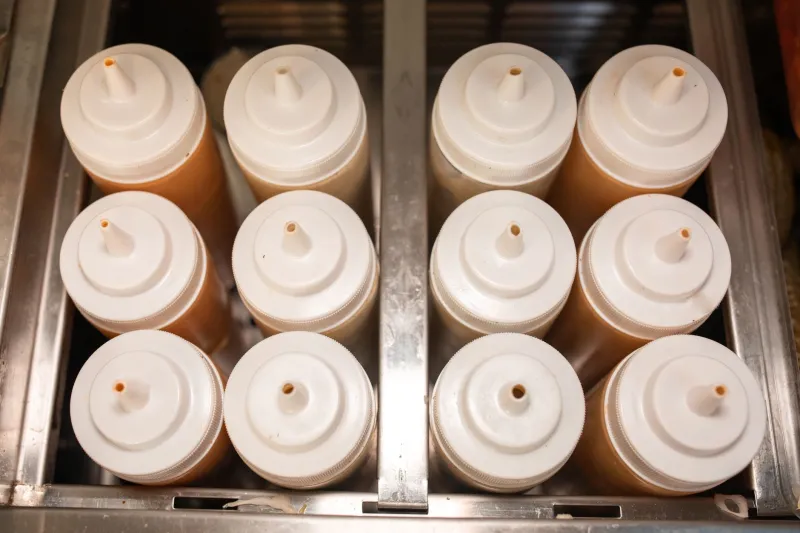
Most feedback systems ask customers to go somewhere else: download the app, scan the code, fill out the form, wait for an email. By the time they do, the fries are cold and the moment is gone. Your condiment station is different. People are already there, hands full, deciding between extra pickles and a second packet of ketchup. That pause is a listening opportunity.
This is not about turning a napkin dispenser into a customer service desk. It is about adding one small, repeatable prompt that lets regulars tell you what they actually want. No new app. No loyalty program update. Just a card, a pen, a drop box, and a weekly habit of reading what comes back.
Start With One Question, Not a Suggestion Box
A blank suggestion box is where good intentions go to die. Most people freeze when asked to invent feedback from scratch. Give them a specific, low-stakes question instead.
Set up a small chalkboard or laminated card at eye level near the napkins and straws. Change the prompt every week. Keep it short enough to read while someone is waiting for a to-go lid. Good prompts sound like a neighbor asking, not a corporate survey asking.
- What should we put on the specials board next week?
- What is one thing we could do better at the drive-thru?
- Which local spot should we team up with for a weekend pop-up?
- What do you order when you are not ordering a burger?
- What is missing from the condiment station?
Leave a stack of index cards or small paper slips, a cup of pens, and a clearly marked drop slot. Napkins work too, but they get greasy and the handwriting gets creative. Cards are easier to sort and easier to read later.
Build It So People Actually Use It
Placement matters more than design. Put the prompt where customers already slow down, not on a back wall or beside the restroom. The condiment station is ideal because it is a natural pause. Add a small sign that says something like: One question this week. Write it down. We read every one.
Brief the crew. They do not need to hover or hard-sell it. A simple line at handoff works: If you have an idea, there is a card by the napkins. That is enough. If a regular starts talking, listen first and write it down later. The point is to capture the thought, not to turn the cashier into a researcher.
Keep it anonymous by default. Do not ask for names, emails, or phone numbers. If someone wants a reply, they can leave a first name and a general time they usually come in. That is plenty. The goal is honest input, not a contact list.
Make the station accessible. Keep the pens within reach, use large type on the prompt, and make sure the drop slot is not hidden behind the trash can. If your dining room has a high counter, add a lower clipboard or a card holder that works for kids and wheelchair users.
Sort the Pile Before You Fall in Love With It
A week of cards can feel like a landslide. It is not. Most of it will fall into three buckets.
Fix it now. These are operational issues: empty napkins at 6:30, a sticky table, a missing lid, a drive-thru speaker that cuts out. Handle them before the next shift. These are not strategy questions. They are maintenance.
Ask again. These are repeated requests: more hot sauce options, a vegetarian patty that does not feel like an afterthought, a kids option that is not just a smaller burger. If the same note shows up three weeks in a row, it is no longer noise. It is a pattern.
Test it small. These are ideas worth a trial: a local soda, a Friday collaboration, a new sauce, a different pickle. Do not promise a permanent menu change. Run a two-week test, put a small sign on the specials board, and see what happens.
Keep a simple log. A notebook or a shared spreadsheet is fine. Date, prompt, recurring themes, and what you did about it. Fifteen minutes every Monday is enough. The log matters because it stops you from treating a loud week as a permanent truth and helps you spot the quiet requests that keep coming back.
Close the Loop in Public
Listening without response is just collecting paper. Customers need to see that the napkin wall goes somewhere.
Add a small board near the condiment station or by the order counter. Split it into two columns: You said and We did. Keep it specific. Someone asked for a hotter sauce. We added one for the month. Someone said the napkins ran out on Friday night. We changed the restock time. Someone wanted a local bakery collaboration. We are testing one on Saturdays.
If you cannot do something, say so plainly. We looked into it. It does not work with our kitchen setup right now. That is still a response. People respect a real answer more than a vague promise.
Tell the crew what changed, too. When a cashier can say, Yeah, we added that because a bunch of people asked, the whole station feels less like a suggestion box and more like a conversation. That is the kind of small detail that makes a new Bomb Burger feel like it has been on the block for years.
Keep It Local Without Breaking the Brand
The napkin wall is a local tool, not a free-for-all. Use it to gather ideas, not to rewrite the core menu every week. Bomb Burger's strength is big flavor with local roots, and that means giving franchisees room to respond to their neighborhood without sanding off what makes the brand recognizable.
Set a few guardrails. Core menu items stay put. Local tests run for a defined window. Anything involving sourcing, pricing, or a permanent addition goes through the normal approval path. Everything else, from a new condiment to a different playlist hour, can move faster.
The Point Is the Habit
The condiment station will not replace your POS data or your regulars' honest comments at the counter. It is not supposed to. It is a low-cost way to catch the ideas that never make it into a survey and the complaints that never make it to a manager.
One question. One week. One fifteen-minute review. One visible response. That rhythm is the whole system. Do it long enough and the napkin wall stops being a cute extra. It becomes one of the most local things in the restaurant: a place where the neighborhood gets a word in, and the crew gets a chance to answer.