The January Bridge: A Bomb Burger Holiday Gift Card and Local Bundle Plan
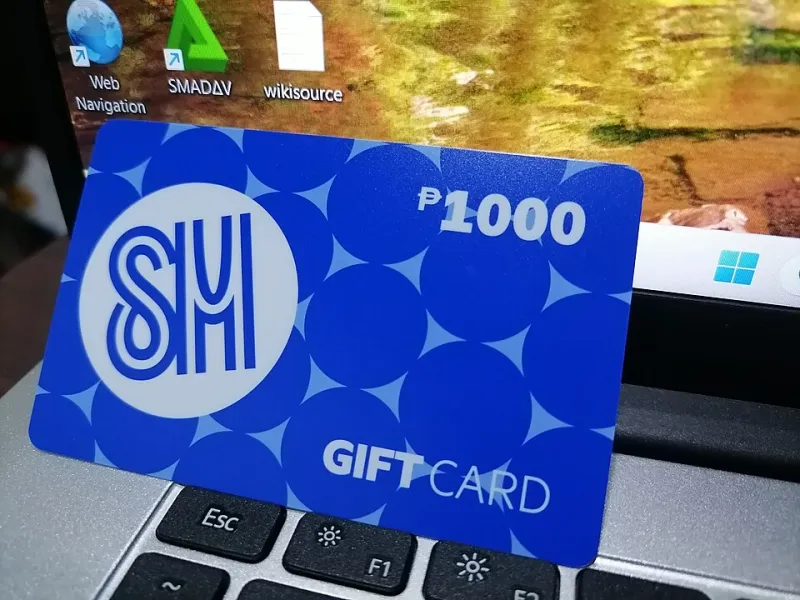
Photo: Derk29, CC BY-SA 4.0, via Wikimedia Commons
Gift cards are usually an afterthought. A rack by the register, a generic plastic card, a small sign that says give the gift of burgers. That is fine if the goal is to sell a few cards. It is not fine if the goal is to build a January bridge.
For a Bomb Burger franchisee, the holiday season is a chance to bring new customers into the dining room after the decorations come down. The program does not need deep discounts or a complicated loyalty app. It needs a clear offer, local packaging, a few strong partners, and a tracking system simple enough to actually use.
Start With the January Problem
December is busy. January is not. Gift cards help close that gap because they bring people in after the holiday rush. The customer receives a card, waits until the new year, and walks in with a reason to order. That is the bridge. The program should be designed around that January visit, not just the December sale.
That means the offer should feel like a gift, not a clearance bin. Bomb Burger does not need to train customers to wait for a percentage off. It needs to make the card easy to buy, easy to give, and easy to redeem.
Build Three SKUs, Not a Discount Wall
Keep the lineup small. Three options are enough. Start with a straightforward twenty-five dollar gift card for the casual gift. Add a fifty dollar bundle that includes the card, a local sauce, and an artist-designed card sleeve. Then offer a seventy-five dollar neighborhood bundle with a partner item from a nearby shop, such as a coffee bag, a bakery box, or a bookstore gift card.
The bundles are where the local story lives. They also protect margin better than a blanket discount. Do not stack a percentage off on top. The value comes from the combination and the packaging, not from training the neighborhood to expect half price.
Package With Neighborhood Artists
A generic card sleeve is a missed chance. Commission two or three local illustrators or designers to create small-run sleeves or cards. Keep the art simple: a burger, a corner storefront, a winter street scene, a hand-lettered phrase. Put the artist's name and a short bio on the back. Print a limited run so it feels like a holiday object, not a permanent SKU.
The cost is manageable if you plan ahead. Get quotes in early fall, order enough for the bundles, and keep a small digital version for social media. The artist gets exposure. The customer gets something worth keeping. Bomb Burger gets a local story that does not feel manufactured.
Partner Bundles With Nearby Shops
Pick partners you already know and trust. A coffee shop, a bakery, a bookstore, a record store, a local grocer. Keep the agreement simple: each partner sells a set number of bundles, splits the revenue or buys the bundle wholesale, and displays a small sign. You sell their item, they sell yours. No complex software required.
Make the bundle easy to carry and easy to explain. A customer should understand it in one sentence: a Bomb Burger gift card, a local sauce, and a card designed by a neighborhood artist. That is a gift. It does not need a committee.
Train the Counter Script
A weak script sounds like want a gift card? A strong script sounds like a recommendation. Try: Looking for a gift for somebody who likes burgers and local stuff? We have a fifty dollar bundle with a local sauce and a card by a neighborhood artist. The team should know the three options, the partner items, and the January redemption window.
Keep the script short. The cashier is not a salesperson delivering a pitch. They are a local host offering a useful option. A small table tent and a card rack near the register do most of the visual work.
Track It Simply
A program that cannot be measured will not survive. Use a simple spreadsheet with columns for SKU, date sold, partner, card number, redemption date, and ticket size. Update it weekly. Track sell-through by SKU, bundle margin after packaging and partner cost, January redemption rate, and whether the guest is new or a regular.
Set a target before launch. For example: sell enough bundles to cover packaging and partner costs, then use January redemptions to measure incremental traffic. If a bundle is not moving, adjust the partner item or the price. If cards are selling but not coming back, check the redemption window and the reminder plan.
Keep the Legal and Ops Details Boring
Check your state gift card rules and keep expiration language compliant. In the U.S., federal rules generally prohibit gift certificates from expiring within five years, but state rules can add requirements. Activate cards properly, store them securely, and train the team on redemption and refunds. Keep partner agreements in writing, even if they are one page.
With Thanksgiving week here, the 2026 holiday window is tight. A full artist sleeve order may not arrive in time. You can still run a slim version: digital gift cards, one local partner bundle, and a printed card with the artist's name. Use this year to learn, then build the full program for 2027 with earlier lead times.
The Point Is the Follow-Through
A holiday gift card program is not a decoration. It is a customer acquisition tool with a January deadline. The packaging makes it local. The bundles make it distinctive. The tracking makes it a business decision. And the January redemption makes it a bridge.
Bomb Burger does not need to discount its way into the new year. It needs to give the neighborhood a good reason to walk back in. A well-built gift card program can do exactly that.