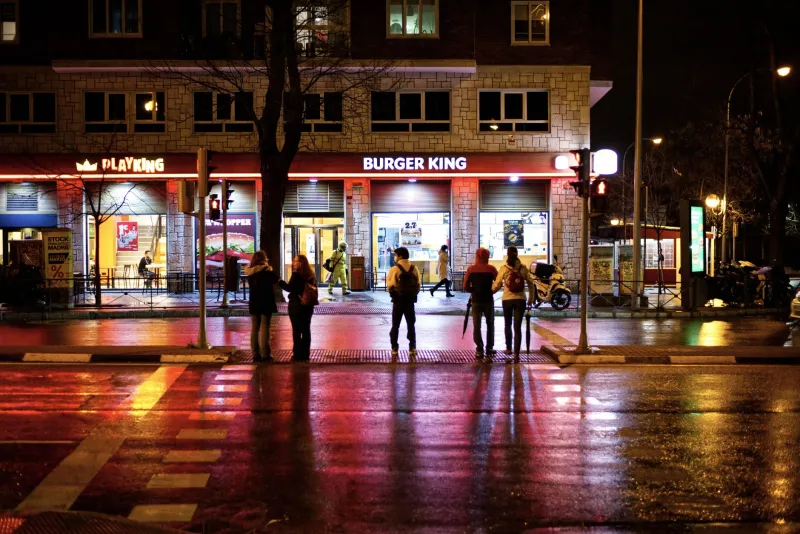
Don't Sand Off the Edges: Why Bomb Burger's Growth Depends on Staying Local
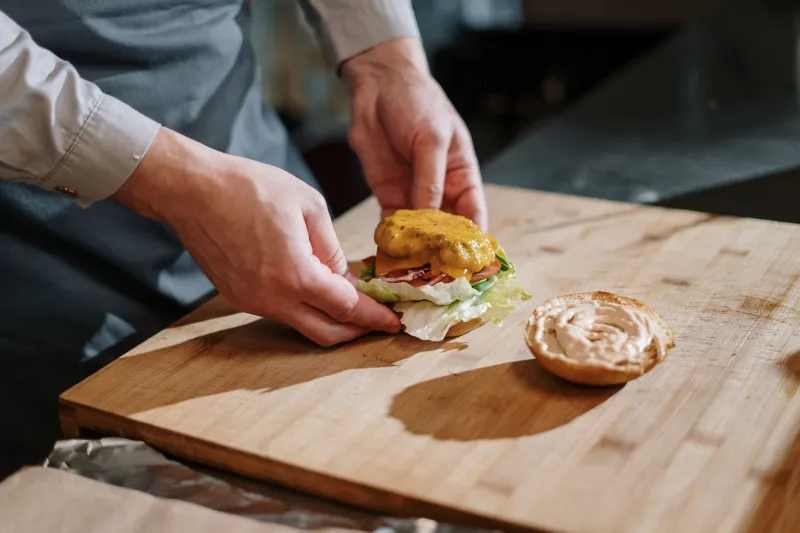
There is a predictable moment in the life of a growing restaurant brand when someone suggests making everything simpler. The menu gets shorter, the local stories get softer, the design gets more generic, and the brand starts talking about consistency as if it means sameness. That is how chains become forgettable. Bomb Burger should resist that instinct in 2026.
The cookie-cutter trap
Cookie-cutter chains are efficient for a reason. Standardized layouts, standardized menus, and standardized marketing are easier to audit, easier to finance, and easier to explain to a franchisee who has never run a restaurant before. But efficiency is not the same as advantage. In a crowded burger market, the advantage is being the place people in a specific town feel is theirs.
Bomb Burger's promise is big flavor with local roots. That phrase only works if the local part is real. A franchisee cannot just hang a chalkboard with the name of a nearby farm and call it community. Customers can smell a rented story. They can also tell when a restaurant actually knows the neighborhood, supports the Little League team, buys from the bakery down the street, and hires people who live nearby.
Consistency is a core, not a costume
Let us be clear about what should never change. The core Bomb Burger experience needs the same patty standards, the same bun quality, the same sauce recipes, the same cooking procedures, and the same food safety discipline in every location. That is what makes the brand trustworthy. A customer should be able to walk into a Bomb Burger in a new city and know the basics will be right.
But consistency should live in the core, not in every surface detail. Franchisees need room to adapt the local layer: a regional produce item, a nearby hot sauce, a collaboration with a local bakery, a community event that actually matters to that town. The trick is to define the guardrails clearly. Local items should be approved for sourcing, cost, food safety, and operational complexity. The core menu stays intact. The local layer adds personality without turning the kitchen into a science project.
Source like you live there
Local sourcing is the most practical way for a franchisee to make the brand promise tangible. That does not mean every ingredient has to come from within 50 miles. It means the operator should know which regional ingredients are available, which suppliers can handle volume, and which local makers can add something distinctive without creating chaos.
A few rules make this work. First, protect the core supply chain. Do not let a local ingredient compromise consistency or availability. Second, start with one or two local items, not ten. A regional bakery for buns or a nearby dairy for a seasonal shake is easier to execute than a full local menu. Third, tell the truth about sourcing. If an ingredient is regional, say so. If it is not, do not imply otherwise. Customers are not asking for a lecture. They just do not want to be played.
Collaborate with neighbors, not logos
The best local collaborations feel like relationships, not sponsorships. A hot sauce maker down the street, a coffee roaster, a bakery, a farm, or a community group can all be part of the story if the fit is real. The franchisee should be the one building those relationships, because local trust does not transfer through a corporate memo.
But collaboration needs boundaries. A co-branded item should not slow down the line or confuse the core menu. A community event should not pull the operator away from service standards. The question is not whether a partnership looks good on social media. It is whether it makes the restaurant more useful to the neighborhood. If the answer is yes, it belongs. If the answer is only yes for marketing, it does not.
Tell stories that pass the smell test
Community storytelling is where a lot of brands get loose. They use generic language about local heroes and neighborhood spirit without naming anything real. Bomb Burger should do better. The franchisee should know the town's food traditions, the nearby makers, the local events, and the people who make the place work. That does not require a documentary. It requires specificity.
A short post about a nearby bakery that supplied the buns for a weekend special is more credible than a vague claim about community. A partnership with a local farm that shows up on the menu is stronger than a poster with a stock photo. Customers do not need a brand to be profound. They need it to be honest.
What franchisees should protect as they grow
Growth will pressure Bomb Burger to choose between local relevance and operational discipline. That is a false choice. The brand needs both. Franchisees should protect the core recipes, service standards, food safety, and pricing discipline. They should also protect their own local relationships, because those relationships are the reason the location can compete with cheaper, blander options.
The test is simple. Would a local customer recognize this Bomb Burger as part of their town? Would a traveler still recognize it as Bomb Burger? If the answer to both is yes, the location is doing the work. If the answer to either is no, something has gone wrong.
Bomb Burger should never act like a cookie-cutter chain. It should act like a burger brand with a backbone and a neighborhood address. That is harder than copying a playbook. It is also the only reason a local-first franchise is worth building.