Chalk It Up to the Neighborhood: A Three-Slot Playbook for Bomb Burger's Rotating Specials

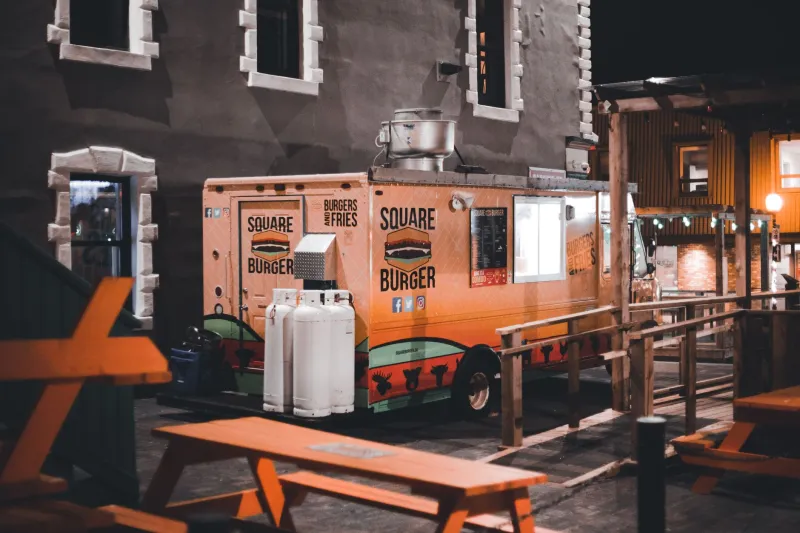
Photo by Photo by Haberdoedas II on Unsplash on Unsplash
The Board Is Not a Billboard
A rotating specials board can do something a national ad buy cannot: it can tell a guest what is happening within a few miles of the register. But it can also become a daily headache if every shift invents a new sandwich. The fix is not more creativity. It is less. For Bomb Burger franchisees, a disciplined board with three slots can turn the menu into a small local newspaper that prints every week and still fits on one prep sheet.
Three Slots, Three Jobs
Slot one is the Neighbor. This is where a local supplier gets a line. A farm, a bakery, a sauce maker, a tortilla shop. The rule: feature one ingredient inside a build the kitchen already knows. Do not add five SKUs to tell one story. If the neighbor grows tomatoes, put them on a burger that already exists. If the neighbor makes pickles, use them on the crispy chicken. The story is the point. The new prep is not.
Slot two is the Hometown. This is for school teams, booster clubs, first responders, church groups, and the rec league that meets two blocks over. It is not just a discount night. It is a named night. The board can say Bears postgame, Friday, 6 to 9. A percentage of sales can go to the booster club. The team gets a reason to come in. The restaurant gets a reason to be known as the place that shows up.
Slot three is the Moment. Weather, harvest, a festival, a rivalry game, the first cold snap. This slot is flexible, but it still has rules. One item, one reason, one end date. If the moment passes, the item goes. No lingering specials that nobody can explain.
The Cost Cap That Keeps It Sane
A specials board should not wreck the margin or the line. Set a food-cost ceiling for every special and hold it. A workable target is 30 percent, with a hard stop at 32 percent. If the item cannot hit that number, it is not a special. It is a donation.
Cap the local spend, too. A weekly local ingredient buy should fit inside a set budget that the operator can defend without a spreadsheet argument every Monday. For many units, that means one featured ingredient, not a full pantry overhaul. The board should ride on what the kitchen already stocks plus one story ingredient.
Then set the prep window. Ingredients lock 48 hours before launch. The prep sheet must fit on one page. No special goes live until the closing shift can make it without calling the owner. If a special needs a new fryer basket, a new sauce bottle, and a new training session, it is not a special. It is a project.
The Story Template: Who, Why, When
Guests do not need a press release. They need three lines. Keep each line under 12 words.
Who: The person or place behind it. Tom's Farm tomatoes, five miles from this door. Why: The reason it is on the board. Late-summer tomatoes deserve a burger. When: The deadline. Through Sunday, or until we run out.
Add the price and the allergen note. That is it. No paragraph. No QR code that sends a hungry guest to a landing page. The board is read in line, not studied.
The Weekly Cadence
Monday: review the three slots and check the sales mix. Tuesday: order the story ingredient. Wednesday: prep and train one shift. Thursday: launch. Sunday: close the loop and note what sold.
This cadence protects the kitchen from whiplash. It also gives the team a rhythm. A board that changes every day is not local storytelling. It is chaos with chalk.
Measure the Board Like a Newspaper
Track three numbers: specials sold per shift, waste on the story ingredient, and the number of guests who ask a question about the story. If waste climbs, the item is too complicated or the batch is too big. If nobody asks, the copy is too long or the board is hidden. If the item sells but the kitchen slows down, the slot is doing too much work.
The board does not need to be perfect. It needs to be repeatable. A guest in Michigan should see apples in October. A guest in New Mexico should see green chiles in August. A guest in Georgia should see peaches in July. The skeleton is the same. The story is local.
That is the advantage. Not a new sandwich every day. A small, disciplined board that says: this is what is happening here, this week, and you are invited.