The Box That Says You're Here: Local Art on Bomb Burger Takeout
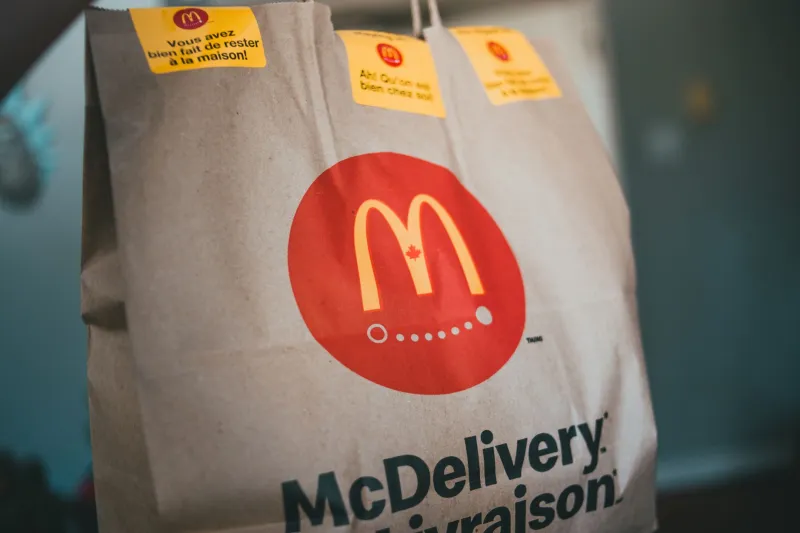
A Bomb Burger bag does not stay in the restaurant. It rides shotgun to a dorm, sits on a job-site tailgate, lands on a kitchen table, and gets photographed next to somebody's keyboard. In 2026, when a lot of customers meet us through pickup and delivery, that packaging is a moving storefront. It can say generic burger joint, or it can say this corner of this town. The difference is not a bigger budget. It is a tighter plan.
Start With the Block, Not the Box
Do not open a packaging catalog and pick the design that looks most like a farmers market. Walk the half mile around the restaurant instead. Write down the landmarks people actually use to give directions: the water tower, the old theater marquee, the bridge with the weird paint, the high school stadium lights, the taqueria sign that has been there since before anybody on the crew was born. Then ask which local artists already draw those things well.
The goal is not a souvenir. It is recognition. A customer should look at the bag and think, that is my street, not that is a nice illustration of Anytown USA. Keep the list to two or three motifs per location. A little specificity goes further than a mural crammed onto a sandwich clamshell.
Keep the Brand Guardrails Visible
Local art works only if the Bomb Burger brand still reads in three seconds. Treat every package like it has three zones: a brand zone, a local art zone, and a legal zone. The logo, wordmark, and core colors stay locked in the brand zone. The local art lives in a defined frame or panel. Allergen text, location information, and required marks stay clean in the legal zone.
Franchisees should ask for the current brand kit and a packaging template before commissioning anything. Do not let an artist redraw the logo to match the neighborhood style. Do not let a well-meaning designer fade the wordmark into the background. The local story is the guest, not the host. One-color line art often prints beautifully on kraft paper, and it keeps costs sane. If the design needs six colors and a special coating to work, it is probably a poster, not packaging.
Source Local Talent Without the Scramble
You do not need a creative agency. Start with the local arts council, the community college graphic design program, the print shop that already knows your paper stock, and the coffee shop bulletin board. Ask three artists for small samples before you ask for a full design. Pay for the work. A limited license fee is cheaper than a rebrand and better for the neighborhood.
Put the agreement in plain language. Cover scope, term, territory, approval steps, credit line, and what happens if the restaurant closes or the artist wants to use the image elsewhere. A simple one-page license is fine. The important part is that everybody knows the art is for Bomb Burger takeout in this market for a set period, not for T-shirts, billboards, and a national ad campaign unless that was negotiated.
Print Small, Test Honestly
Do not order a year of bags before the crew has touched the design. Pick one item first: a sticker, a bag sleeve, a burger box, or a cup sleeve. Run a small batch for 30 to 60 days. Keep operations boring. If the crew has to explain a QR code, unfold a special insert, or apologize because the sticker peeled in the pass, the design is too complicated.
The best local packaging feels incidental in the best way. It is just there, doing its job, while a customer waits for fries. That is why a bag sleeve or a sticker often beats a fully custom box for a first test. It gives you the neighborhood story without rewriting your entire supply chain.
Measure the Repeat, Not Just the Like
Social shares are nice. Repeat visits pay rent. Set up a simple measurement plan before the first print run. Use a short redemption code for a return offer, ask the counter crew to mention the artist, and track tagged posts for the test window. Compare the test location against a similar store or the same dayparts from the prior period. Do not confuse a spike in likes with a change in behavior.
A 60- to 90-day read is usually enough to see whether customers noticed. Ask one question in the post-order survey: did the packaging feel local to this neighborhood? Keep the answers short. If the design gets shared but nobody comes back, you have a poster problem. If customers mention the artist at the counter, you have a neighborhood asset.
Let the Crew Own One Sentence
Crews should not have to deliver a history lecture with every order. Give them one sentence and one name. Something like, the bag art is by a local artist who draws the bridge. That is enough. If the artist is willing, put a small credit line on the package. If the artist is not, respect that. The point is not to turn the cashier into a tour guide. The point is to make the neighborhood feel present without slowing the line.
What to Skip
Skip inside jokes that only three regulars understand. Skip fragile stickers that peel before the customer gets home. Skip covering every surface with art until the menu becomes a scavenger hunt. And skip the temptation to call the packaging a campaign. It is a bag. It has a job. The local story should make the job better, not harder.
The Payoff Is a Second Visit
A takeout box is a small postcard from the block. Done well, it tells a customer that Bomb Burger is not just located here. It is paying attention. That matters for franchise development because every new market wants proof that the brand can be local without becoming unrecognizable. Start with one artist, one landmark, and one small print run. If the box says you are here, the next visit can say welcome back.