When the Shift Ends, the Line Starts: Three Underused Dayparts for Bomb Burger Franchisees
Most burger franchises chase the same clock: lunch, dinner, maybe a weekend late-night bump. But in plenty of US markets, the real opportunity is hiding at 7:10 a.m., 3:20 p.m., and 11:15 p.m. Not because customers want a burger at every hour. Because the people who work those hours have a narrow window to eat, and almost nobody is building for them. This is not a pitch for round-the-clock operations. It is a pitch for precision.
First, Map the Rhythms Before You Build the Menu
Do not guess. Spend two weeks driving your trade area at shift-change times. Note the hospital parking lots, the plant gates, the hotel service entrances. Then look at your POS by 30-minute blocks. You are hunting for spikes that do not match the normal lunch and dinner curve.
Public schedules help. Many hospitals change shifts around 7 a.m. and 7 p.m. Manufacturing plants often run 6 a.m./2 p.m./10 p.m. or four-ten schedules. Hotels turn over housekeeping and front-desk staff around 7 a.m., 3 p.m., and 11 p.m. Confirm with managers, not just the front desk. Ask what time the break room empties and where people park. Build a one-page shift map for your store. It will be more useful than most corporate decks.
Daypart 1: Hospital Shift Changes—Fast, Portable, Predictable
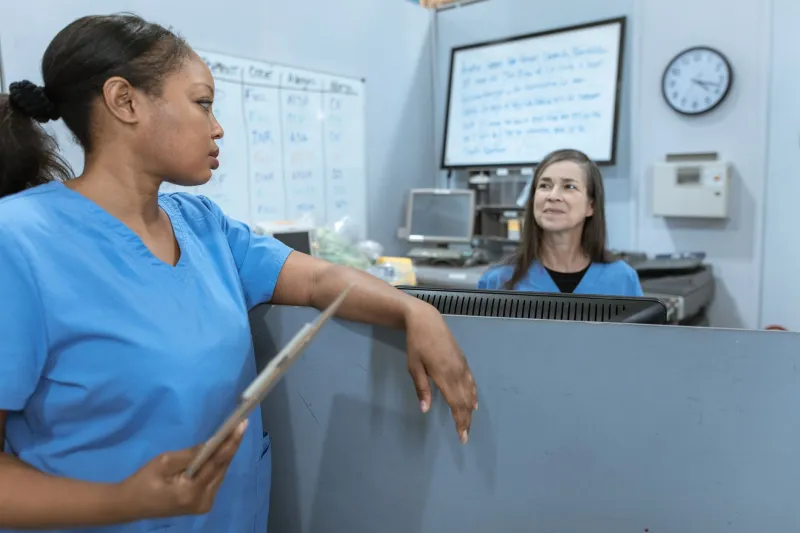
Nurses, techs, and support staff do not get a leisurely dinner. They get 20 minutes and a parking garage. Test a shift-change bundle: two burgers, two fries, two drinks, ordered for pickup 15 minutes before the change. Add curbside if your site allows it. Put one staff member on the pickup counter at 6:45 p.m. and make sure the bag is ready when the scrubs walk in.
Do not market to patients. Market to staff. Ask the hospital's HR or employee wellness office whether you can leave menus in the break room—with permission, not guerrilla flyering. Test for four weeks. Track average ticket, pickup time, and repeat orders. If the window is real, you will see the same badge lanyards twice a week.
Daypart 2: Plant Shift Ends—Volume, Speed, and the Parking Lot Problem
Manufacturing shift ends are a wave, not a trickle. When the whistle blows, 80 people want food in 15 minutes. That is a labor and parking problem before it is a menu problem. Test a shift-end bundle with a 10-minute pickup promise. Designate two pickup spots. Use text-when-ready. If your building allows it, consider a walk-up window for shift windows only.
Talk to plant HR about break-room flyers and pre-order sheets. Do not show up at the safety meeting with a stack of coupons. Offer a simple pre-order form that a shift lead can collect on Wednesday for a Thursday pickup. Be precise: if the plant runs four tens, Monday through Thursday matters more than Friday. A generic 24-hour menu would miss the point. A 2:15 p.m. bundle built for the swing shift hits it.
Daypart 3: Hotel Staff Turnover—The Quiet, Reliable Window
Hotel staff are the overlooked regulars. Housekeepers, front-desk agents, and kitchen crews turn over at predictable times, and many do not have a comfortable staff meal. Test a modestly priced staff bundle—one burger, one side, one drink—with fast pickup at 7 a.m., 3 p.m., or 11 p.m., depending on your local hotels. Drop menus at the employee entrance with the manager's permission. Do not confuse this with hotel guests. This is a staff-meal play.
Reliability beats discounting. If a hotel supervisor knows you willhave 20 bags ready at 3:10 p.m., you become part of their routine. Prepaid punch cards can work, but keep the math simple and the rules clear. The goal is not to be the cheapest option. It is to be the one that respects the shift change.
Test Small, Measure Honestly, Then Commit
Give each daypart a four-week test with its own POS button and its own labor plan. Track average ticket, speed of service, new-versus-repeat customers, and whether the window cannibalizes your normal dinner business. Kill anything that does not earn its keep. The after-shift rush is not a license to stay open all night. It is a chance to be exactly what a nearby workforce needs—at the exact moment they need it.