Seven Neighbors Worth Knowing: Partnerships That Make a New Bomb Burger Feel Like It's Always Been There
Opening a Bomb Burger is one thing. Becoming the spot people drive past three other burger places to reach is another. Franchisees often try to buy that status with a grand-opening banner and a radio spot. The faster route is usually quieter: borrow trust from people the neighborhood already knows.
That is what local partnerships should do. Not slap a logo on a jersey and call it community. The test is simple: would this partnership make sense if Bomb Burger were a one-off shop owned by someone who lives four blocks away? If yes, keep going. If it feels like a corporate checklist, rethink it.
Here are seven partnership types that tend to work, plus a practical way to tell whether each one is building regulars or just making noise.
1. The Nearby Brewery or Taproom
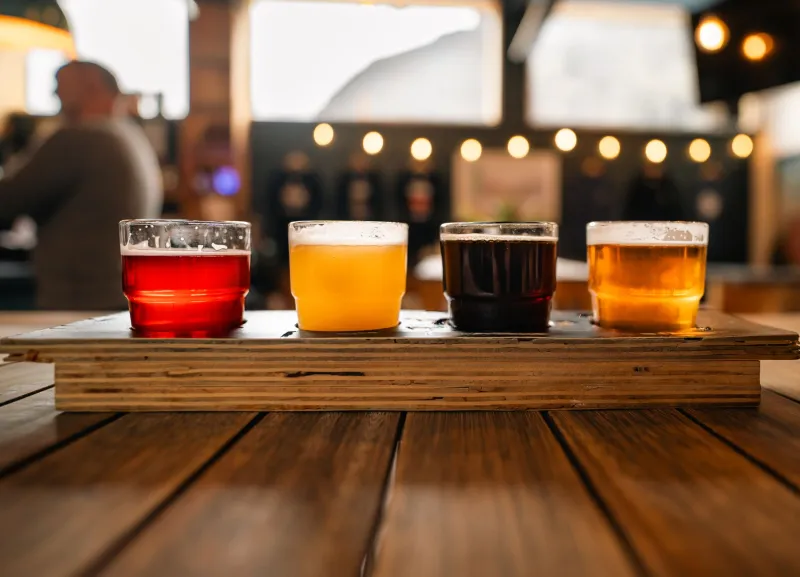
A taproom and a burger shop share the same evening crowd without fighting over the same check. The native move is not a giant sponsorship. It is a staff meal swap, a burger-and-beer pairing night, or a simple late-night pickup window where taproom guests can order Bomb Burger without leaving the block. Put a coaster on the bar and a QR code on the table. Let the brewery tell its people, in its own voice, that there is a burger worth walking to.
How to measure it: track orders that mention the taproom, watch repeat visits from the same phone numbers within 60 days, and ask your counter staff one question on Friday nights: where did you hear about us? If the answer is only ever social ads, the partnership is not pulling its weight.
2. Youth Sports Teams and Friday Night Lights
Youth sports are a neighborhood rhythm. Families already gather, already spend, and already look for a place to land after the game. A Bomb Burger can be part of that rhythm without turning into a generic sponsor. Offer a team meal deal after games, host a fundraiser night where a slice of sales goes to the league, and show up at the big tournament with samples instead of just a check. The point is to be useful, not just visible.
How to measure it: count team ticket redemptions, group orders, and family visits on non-game weeknights. A real partnership follows people home. If a team night only fills one Tuesday and never shows up again, adjust the offer or find a different league.
3. Farmers Market Vendors
Farmers markets are where a neighborhood tastes itself. A franchisee can build a genuine relationship with one or two vendors instead of making a vague local claim. Run a limited burger with a vendor's produce, cross-promote on market day, or offer a pre-order pickup for shoppers heading home with a full tote. Keep the menu honest. If the ingredient is not local, do not pretend it is.
How to measure it: watch sell-through on the limited item, market-day traffic, and whether vendors post about the collaboration without being asked. A partnership that only lives on your own social feed is probably not a partnership.
4. Community College and Trade Schools
Students are not a monolith, but they do share schedules. A community college nearby can bring late-afternoon and late-night traffic if Bomb Burger gives them a reason to walk over. Try a student ID night, a study-break combo, or a collaboration with a culinary or business class. A short talk about franchising or local food economics can do more than a discount flyer ever will.
How to measure it: track student email signups, late-night sales, and repeat visits after the first promotion. If students come once for a giveaway and never return, the offer was the draw, not the restaurant.
5. Neighborhood Festivals and Block Parties
Every neighborhood has a calendar. The mistake is treating the biggest festival as a logo opportunity. The better move is to be a real vendor with a short menu, fast service, and something people can hold while they walk. Bring a game, not a clipboard. Hand out a coupon that expires in two weeks so it creates a second visit instead of becoming fridge clutter.
How to measure it: sample-to-sale coupon redemption, email list growth, and foot traffic the weekend after the event. Festivals are a handshake. The regulars show up later.
6. Local Makers, Artists, and Musicians
A wall is not a brand strategy, but a rotating wall can be. Invite local artists to show work, host a monthly acoustic set, or sell a small item from a neighborhood maker. Keep it simple and pay people fairly. The goal is not to turn Bomb Burger into a gallery. It is to make the room feel like it belongs to the block.
How to measure it: event-night sales, social tags from artists and musicians, and whether the crowd looks different from your usual Tuesday. If the same ten people show up for every event, it is a private party, not neighborhood reach.
7. Schools, Libraries, and Community Centers
Family traffic is built on routine. A spirit night with a local school, a reading reward at the library, or a donation after a community center event can put Bomb Burger inside the weekday rhythm. Make the ask small and specific. Do not demand a big turnout. Show up, follow through, and make the next event easier for the organizer.
How to measure it: family redemptions, weekday early-dinner sales, and repeat visits from households that came through the school or library. One fundraiser is a moment. Three visits in 90 days is a habit.
A Scorecard That Keeps You Honest
You do not need a research department to know whether a partnership is working. Track five things: new vs. repeat customers, offer redemptions, average check, contact signups, and referrals from the partner. Then ask the softer question. Does the partnership make the restaurant feel more like the neighborhood, or more like a billboard?
If a partnership produces a crowd but no return visits, it is marketing, not community. If it produces a few quiet regulars who bring their friends, it is working. Bomb Burger does not need every neighbor to love it on day one. It needs the right neighbors to recognize it as theirs.