Ninety Days to Neighborhood: A New Bomb Burger Franchisee's Field Guide
The first 90 days of a Bomb Burger franchise are not a victory lap. They are a translation project. You have a brand built on big flavor and local roots, a build-out schedule, a hiring plan, and a neighborhood that has no idea who you are yet. The goal is not to make the location feel corporate. The goal is to make it feel like it has been waiting for the right corner.
This field guide is for franchisees who want operational realism without losing the enthusiasm that got them here. It is also for anyone exploring franchise development with Bomb Burger who wants to know what the early days actually ask of an owner.
Days 1-15: Treat Site Selection Like Local Research
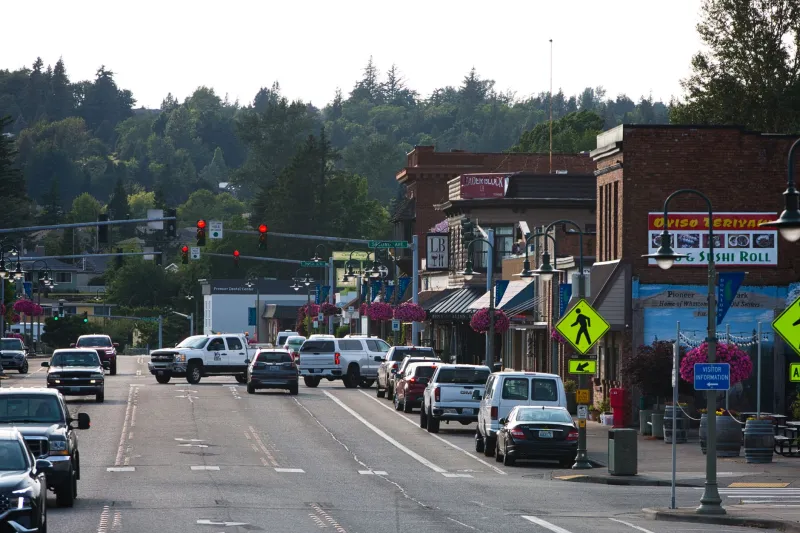
Site selection is not just a traffic count and a rent number. It is a question about daily life. Where do people already go for lunch? Is there a school, a hospital, a warehouse district, a grocery store, or a park nearby? Does the parking situation match the way people order in this part of town? A location that looks great on a spreadsheet can fail if the neighborhood does not have a burger habit at the times you need it.
Walk the area at lunch and dinner. Talk to neighboring business owners. Count the people who leave a nearby office at noon. Look at where delivery drivers idle. The best site selection work feels like reporting, not real estate.
Days 16-30: Hire for Warmth, Train for Speed
The first hires set the tone for everything that follows. You need people who can move fast, but you also need people who can look a guest in the eye and make them feel welcome. In a neighborhood burger spot, the person at the counter is part of the product.
Hire locally when you can. A crew that lives nearby understands the rhythms of the area and can tell you which high school team just won, which office building empties at 11:30, and which nearby shop sends people over after work. Train for speed, food safety, and consistency, but do not train the personality out of the team.
Operational realism matters here. Your first schedule will probably be wrong. Your first two weeks will have a few long shifts. Build in a daily huddle, keep the training simple, and make sure every new hire knows what Bomb Burger stands for: big flavor, local roots, and a burger that feels like it belongs on that corner.
Days 31-45: Build a Local Supplier Bench
Local sourcing is not a photo op. It is a relationship system. Start small with a produce partner, a bakery, and maybe one specialty item that fits your market. Ask what they can deliver consistently, at what volume, and on what schedule. A local supplier who cannot keep up with a Friday rush is not a local partner yet.
Bomb Burger's brand allows for local flexibility within brand guardrails. That means you can highlight a regional cheese, a seasonal vegetable, or a house-made sauce that reflects the area without rewriting the whole menu. The key is to test before you promise. Run a special for a week. See how it sells. See how it holds up on the line.
Also build one community relationship early. A local school, a youth sports team, a food bank, or a neighborhood association. Do not do it for the press release. Do it because a franchise location that only shows up when it wants customers is not a neighbor.
Days 46-60: Make the Grand Opening Feel Like a Block Party
The grand opening is not the finish line. It is the first handshake. A generic ribbon cutting with a discount sign is easy to ignore. A grand opening that feels like a neighborhood event is harder to forget.
Consider a soft-opening window for friends, family, and neighboring businesses before the public rush. Invite the people who will see your line out the door every day. Offer a limited preview menu so the kitchen can practice. Then use the public opening to introduce the team, the local suppliers, and one or two special items that are unique to that location.
Marketing should be local by default. Neighborhood social groups, nearby employers, school newsletters, and community boards will do more for a first location than a broad ad campaign. The message is simple: we are here, we are hiring, and we are trying to be a good neighbor.
Days 61-75: Earn the First 100 Regulars
The first 100 regulars are worth more than the first 100 likes. They are the people who will tell a coworker, bring a friend, and notice when the fries are off. Get to know them. Ask how the burger was. Fix problems fast. Keep a simple log of repeat guests and common feedback.
Operationally, this is the period when the kitchen finds its rhythm. You will learn which build sells out, which side is wasted, and which shift needs another hand. Do not hide from the numbers. Look at ticket times, waste, and repeat visits. But do not let the spreadsheet run the personality of the place.
This is also the time to double down on the local partnerships that are working. If the nearby bakery's buns are a hit, tell the story. If a local farm's produce is on the special board, say so. Customers like knowing where the food comes from, and the team likes selling something they believe in.
Days 76-90: Measure, Adjust, and Put Down Roots
By day 90, you should know three things: what your neighborhood orders, what your team needs, and which local relationships are worth keeping. You will not have a perfect operation. You will have a real one.
Use the last stretch of the first 90 days to make small, durable changes. Adjust the schedule. Tighten the prep list. Add a local special that earned its place. Cut a promotional idea that brought in one-time discount hunters and no repeat guests. Talk to your team about what felt chaotic and what felt smooth.
The best franchise locations do not feel like they were dropped into a neighborhood. They feel like they grew there. That does not happen because of a grand-opening banner. It happens because the owner showed up, hired local, sourced carefully, and treated the first 90 days as a relationship-building season rather than a countdown.
For anyone in franchise development, that is the lesson worth repeating: the brand gives you the playbook, but the neighborhood gives you the personality. Protect both.